
The Essence of Residential Interior Design
The modern home is far more than just a collection of walls and a roof; it is a profound expression of identity, a personal sanctuary, and the foundational backdrop to our daily lives. This is the core belief that drives the field of residential interior design—a discipline dedicated to translating individual dreams, routines, and aspirations into beautifully functional, cohesive living spaces. Unlike commercial design, which prioritizes brand identity and public flow, residential design is intensely personal. It focuses on the minute details of how a specific client lives: how they use their kitchen, where they prefer to read, how their family gathers, and the emotional response they want their space to evoke.
The Design Process: A Partnership in Creation
The journey of transforming a house into a bespoke home begins with a deep dive into the client's world. This phase, often called "programming," involves comprehensive discussions about lifestyle, budget, and aesthetic preferences. A skilled designer doesn't impose a style but acts as a curator, synthesizing ideas and translating intangible desires—like a need for "serenity" or "vibrant energy"—into tangible, material choices.
From this foundation, the process moves into space planning, ensuring that the layout is practical and intuitive. Designers consider circulation, optimal furniture placement, and the maximization of natural light before even selecting a single finish. The focus is on function first, laying a robust foundation for the aesthetics to follow.
Beyond Aesthetics: The Pillars of Good Design
While stunning visuals are the most apparent result of a designer’s work, the value lies in integrating several key elements:
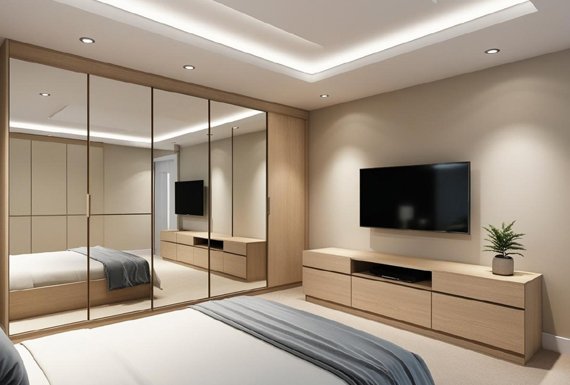
- Functionality: Every piece, from a custom-built storage unit to a sectional sofa, must serve a specific purpose and enhance the efficiency of the room.
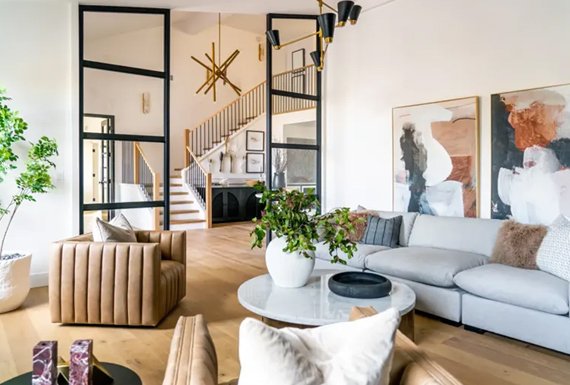
- Aesthetics and Cohesion: The designer ensures a consistent visual narrative throughout the home, blending textures, color palettes, and architectural details to create an environment that feels polished and intentionally designed.
- Comfort and Well-being: This includes prioritizing ergonomic furniture, using materials that contribute to good acoustics and indoor air quality, and designing lighting schemes that adapt to different times of day and activities, directly impacting the occupants' mood and health.
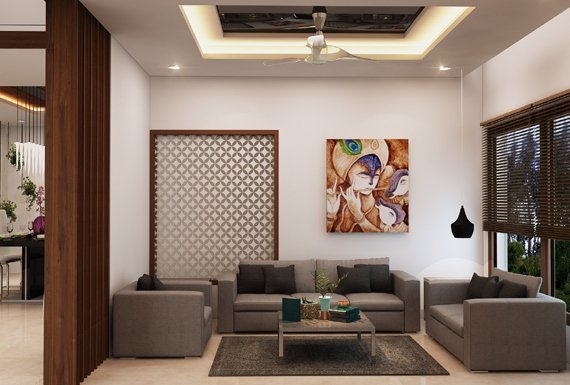
- Personalization: The most distinguishing mark of residential design is its bespoke nature. Boutique design firms, in particular, excel at sourcing unique, handcrafted elements or working with local artisans to create one-of-a-kind pieces. This moves the home away from a showroom look to a curated, deeply personal collection that tells the client's unique story.