
The Strategic Power of Commercial Interiors
The modern home is far more than just a collection of walls and a roof; it is a profound expression of identity, a personal sanctuary, and the foundational backdrop to our daily lives. This is the core belief that drives the field of residential interior design—a discipline dedicated to translating individual dreams, routines, and aspirations into beautifully functional, cohesive living spaces. Unlike commercial design, which prioritizes brand identity and public flow, residential design is intensely personal. It focuses on the minute details of how a specific client lives: how they use their kitchen, where they prefer to read, how their family gathers, and the emotional response they want their space to evoke.
The Design Process: A Partnership in Creation
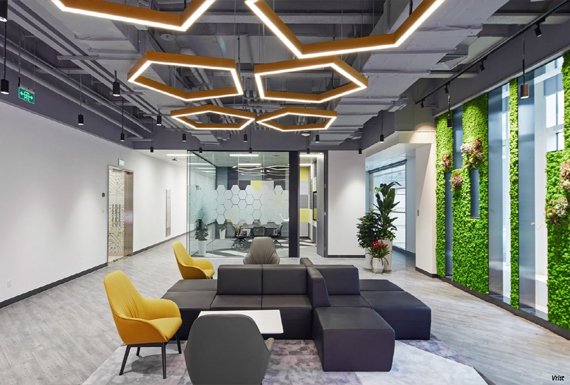
In the competitive landscape of modern business, a company’s physical space is no longer a passive container for work; it is a critical, strategic asset. This is the domain of the commercial interior designer—a professional who blends architecture, psychology, and branding to create environments that drive efficiency, reinforce identity, and elevate the user experience.
Unlike residential design, which prioritizes personal comfort, commercial design focuses on the needs of a diverse group of stakeholders—employees, customers, regulators, and the business itself. Whether designing a corporate office, a boutique retail store, a vibrant restaurant, or a functional healthcare facility, the primary goal is always to support the client's bottom line: profit, productivity, and brand loyalty.
Functionality as the Foundation of Business
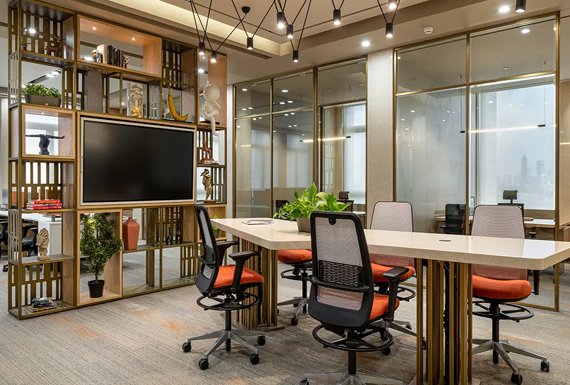
The commercial design process is highly systematic, beginning with extensive programming to understand the core function of the space. For an office, this involves analyzing workflows, communication needs, and the balance between collaborative and focused work zones to maximize employee well-being and output. In a retail setting, the design must strategically manage customer flow, highlight merchandise, and remove friction points at checkout to boost sales. A commercial designer’s technical expertise in space planning is paramount, ensuring that every square foot is utilized efficiently.
The Design as a Brand Amplifier
A well-designed commercial interior is one of the most powerful tools a company has for brand reinforcement. The choice of color palette, materials, lighting fixtures, and custom millwork all communicate the company's story, values, and professionalism without uttering a single word.
- For Corporate Spaces: Design can foster a culture of innovation (e.g., through flexible, tech-integrated areas) or trust (e.g., using natural light and high-quality, ergonomic furnishings).
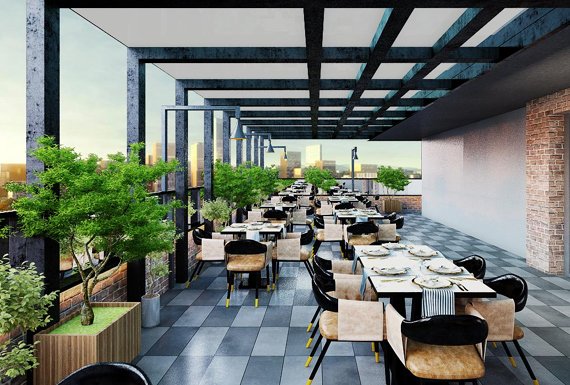
- For Hospitality & Retail: The environment is the product. Thoughtful design creates a memorable experience, encouraging customers to linger, engage, and ultimately, return.